Pocahontas Area Bond
United as One

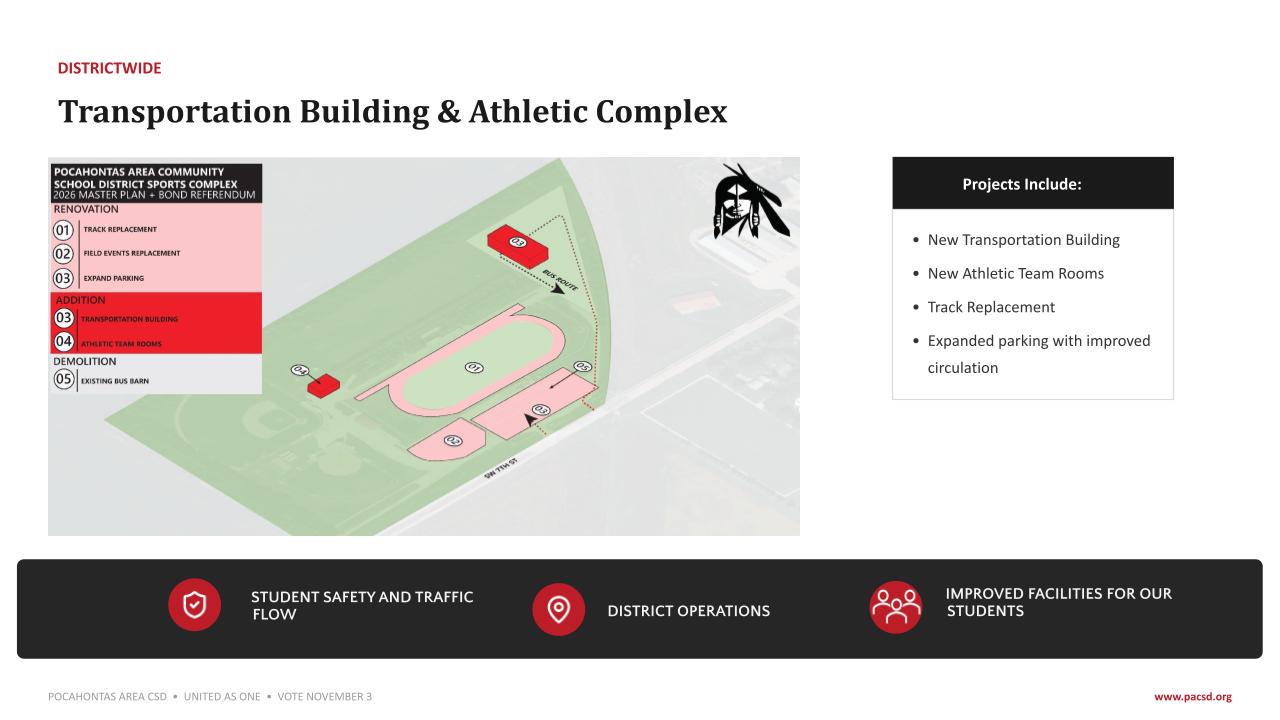
The conceptual renderings shown are intended to help the community visualize potential project improvements and represent preliminary design concepts only. They are not final design or construction documents. When approved, projects will continue through the design process, where scope, materials, budget, and other details may evolve based on input, approvals, and project development.

We're making sure the next generation inherits a community that is prepared for the future.
New career and technical education spaces will give students hands-on experience and industry-relevant skills that prepare them for college, the workforce, or technical training after graduation.
Renovating the current industrial technology classrooms expands opportunities beyond including agriculture technology, animal science, crop production, and other programs that reflect the industries that drive northwest Iowa.
A new culinary arts lab will provide students with experience using commercial-grade equipment and prepare them for careers in hospitality, food service, and entrepreneurship.
Strengthening agricultural and career pathways helps prepare the next generation of skilled workers, producers, and business leaders who will support the future of our communities.
Investing in CTE helps make PAC a destination district for families seeking opportunities that connect classroom learning with real-world careers.

New preschool and transitional kindergarten classrooms will bring early childhood programs together with elementary students, creating one location for families and improving continuity for young learners.
Expanded preschool capacity and dedicated spaces will create opportunities for before- and after-school programming, helping working parents and supporting local employers.
Early learning opportunities is increasingly important for attracting and retaining young families and maintaining a strong workforce.
Strong schools support strong communities. Quality educational opportunities help sustain property values, support economic development, and contribute to the long-term vitality of Pocahontas.

The district is committing $8.5 million in SAVE revenue and local funds toward the project, reducing the amount that must be financed through property taxes.
This plan addresses needs across multiple buildings and grade levels, allowing improvements to be completed through one comprehensive approach rather than a series of separate projects.
Construction costs continue to rise. Addressing these needs today helps preserve the value of local investments and avoids passing larger and more expensive challenges to future generations.
The proposed tax impact is $1.83 per $1,000 of taxable property, while district resources and statewide sales tax revenues help fund nearly one-third of the total project cost.
This plan represents an investment not only in buildings, but in the students, families, workforce, and future of PAC.
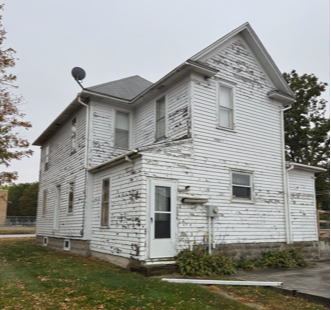
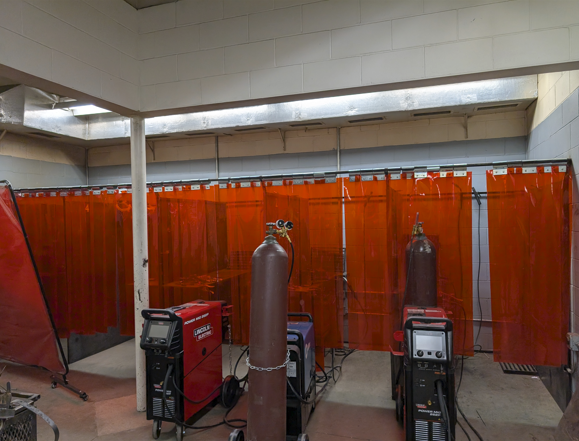
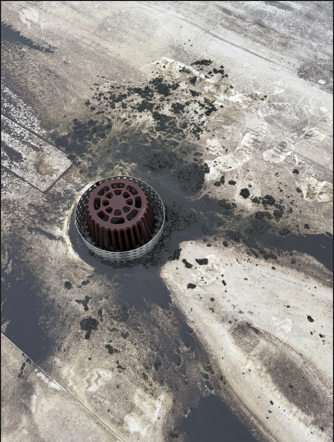
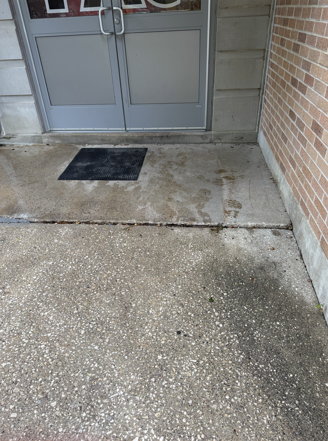
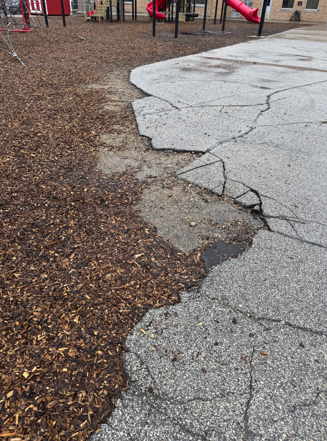
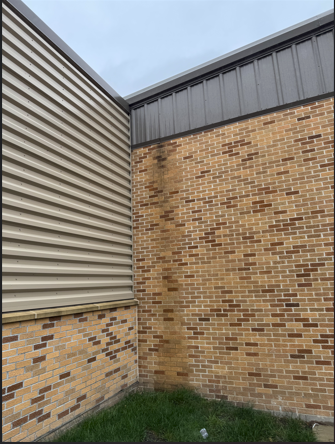
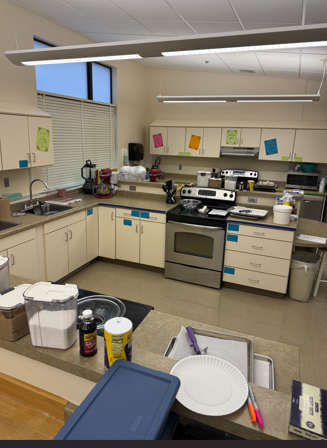
Here are some of the existing conditions of our facilities. Please join us for a community town hall meeting to take a tour or learn more about the 2026 bond referendum proposed project.